
Food Waste Fermentation
What Is Bokashi?
Bokashi is a simple way to preserve food scraps in a sealed bucket so they can be returned to the soil instead of being thrown away.
Using bokashi bran, food waste ferments rather than decomposing in the open air. This makes it low-odour, compact and suitable for many homes, gardens and small spaces.
Once fermented, the bokashi mix can be added to soil, compost bins or a wormery, where it breaks down and helps feed the soil life beneath your plants.
Why Try Bokashi?
Keeps kitchen scraps out of the bin and returns nutrients to the soil.
Ideal for homes, balconies, sheds, allotments and gardens.
Supports the worms, microbes and fungi that help create healthy soil.
Add scraps, sprinkle bokashi bran, press down, seal the lid, and let it ferment.
Soil Benefits
Bokashi for Gardens, Market Gardens and Farms
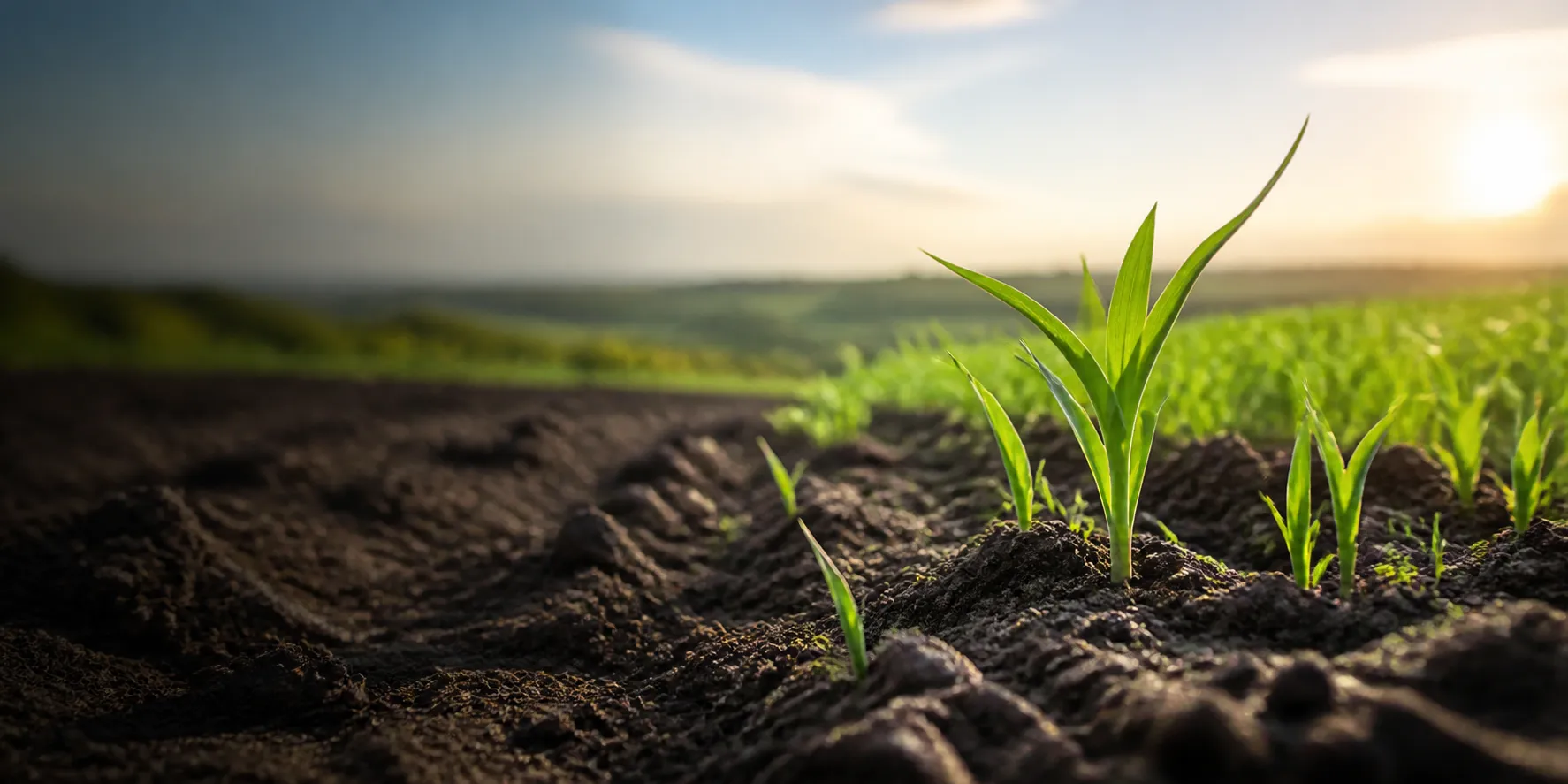
Bokashi helps return food waste to the soil as fermented organic matter, feeding the living system beneath healthy plants.
Adds carbon-rich material that supports better soil structure and moisture retention as it breaks down.
Gives worms, microbes and fungi a steady food source, helping nutrients move through the soil food web.
Turns unavoidable scraps into fertility for beds, compost systems, allotments, market gardens and farm soils.
Starter Kit
Bokashi Products
Bokashi buckets, bokashi bran and simple starter kits help you begin your bokashi journey with confidence.
Further Reading
Bokashi Articles
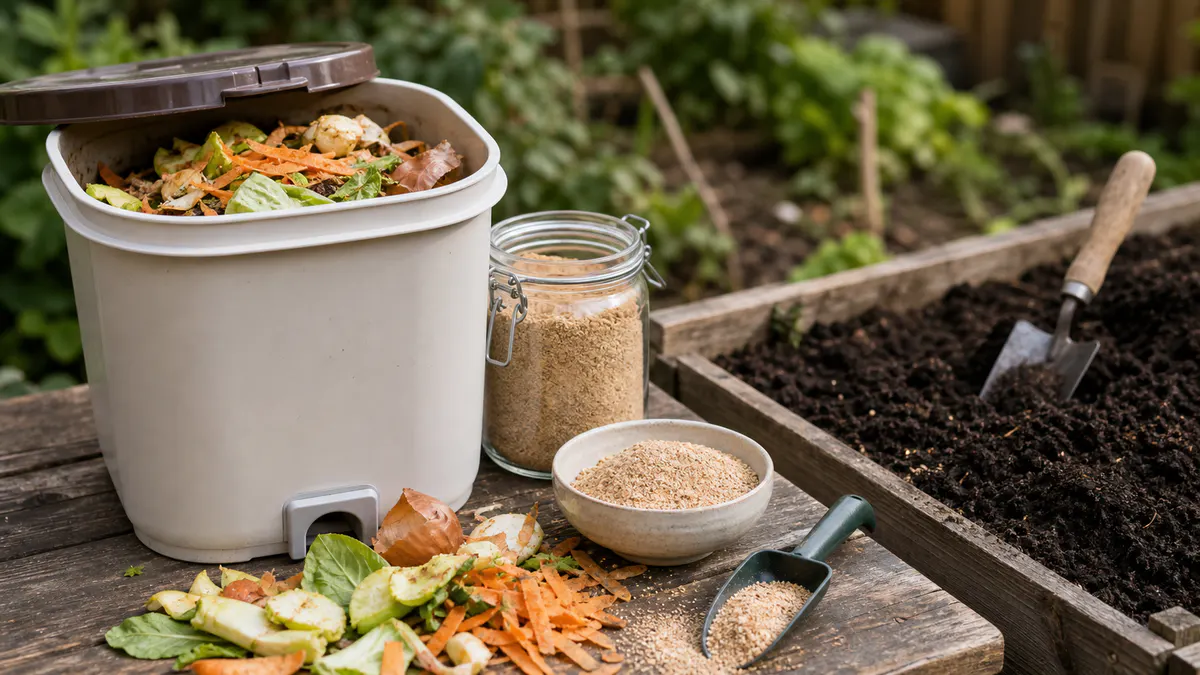
Bokashi: Guide to Fermenting Food Waste for Healthier Soil
A practical guide to bokashi fermentation, turning kitchen scraps into a soil-building resource for gardens, allotments, growers, and small spaces.
Read article
The History of Bokashi
A look at bokashi's roots in fermentation, traditional nutrient cycling, Japanese soil care, Effective Microorganisms, and modern home composting.
Read article