Nettles
Nettles are often used in traditional garden feeds and composting systems because they grow vigorously and return leafy green material to the soil cycle.
Read more
Soil
Soil Basics
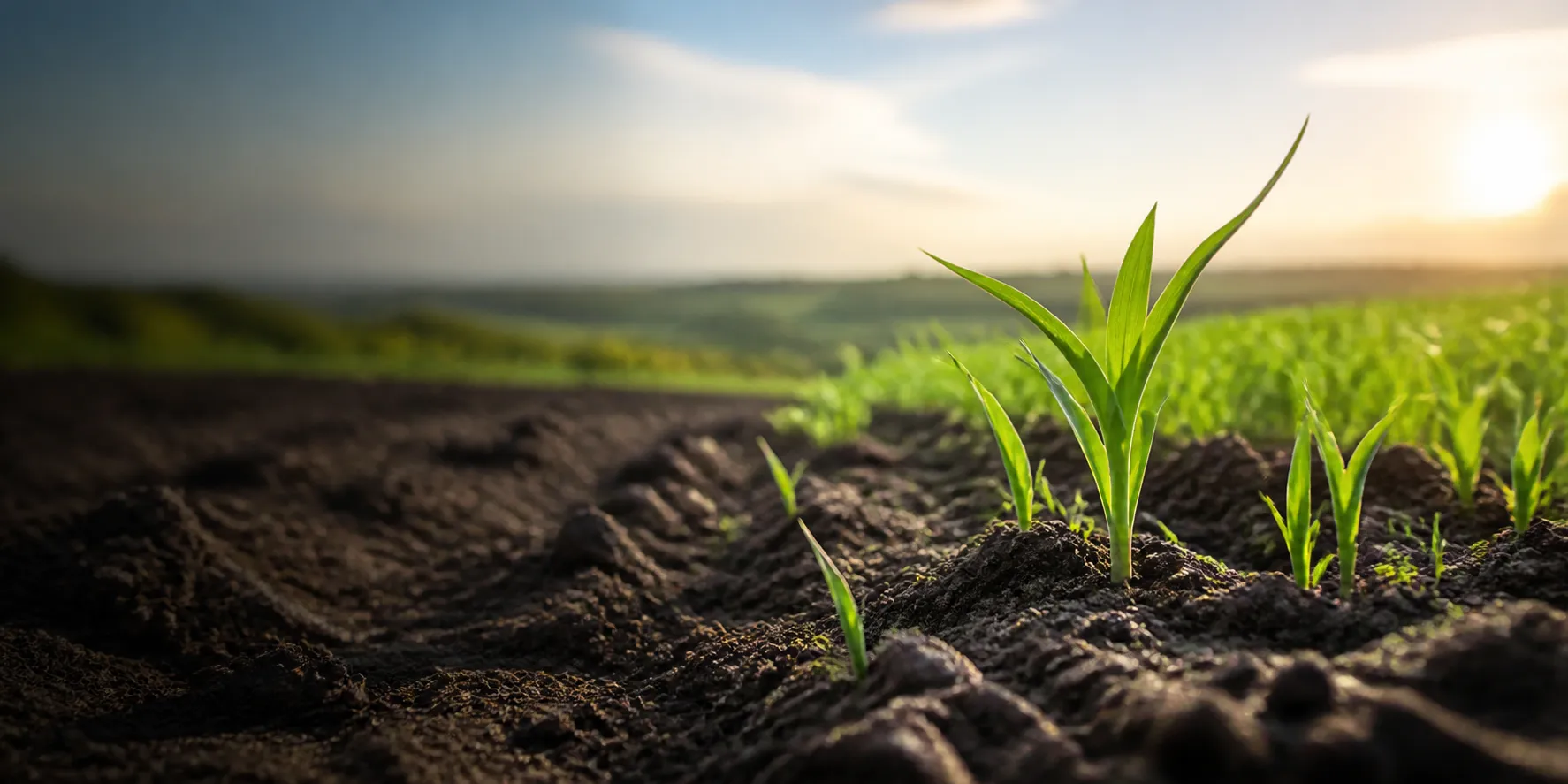
Healthy soil holds water, stores nutrients, supports roots, and gives soil life the conditions it needs to work. When that living system is cared for, plants can grow stronger and harvests can become more resilient.
Soilistry begins with this simple idea: feed the soil first, and plant health follows from the ground up.
Care For Living Soil
Feed soil life with organic matter
Keep soil covered wherever possible
Protect structure by avoiding unnecessary digging
Support fungi, microbes, worms, roots, water, and air
Grow diverse plants through the seasons
Observe texture, smell, drainage, and plant response
Soil Ingredients
Nettles are often used in traditional garden feeds and composting systems because they grow vigorously and return leafy green material to the soil cycle.
Read moreComfrey is valued by many growers as a deep-rooted plant that produces abundant leaves for mulches, compost activators, and homemade liquid feeds.
Read moreYarrow has a long association with compost heaps and biodynamic preparations, where small amounts are used as part of a wider soil-care approach.
Read moreSeaweed brings coastal mineral richness into soil-care conversations, with care needed around sustainable sourcing, rinsing, and responsible harvesting.
Read moreComposting turns garden and kitchen materials into stable organic matter that can help improve soil structure, moisture holding, and biological activity.
Read moreBokashi is a fermented food-waste system that can sit alongside composting, helping households keep more organic material in the soil cycle.
Read moreVermicompost uses composting worms to create a fine, biologically rich amendment that many gardeners use gently around seedlings, pots, and beds.
Read more